In this edition of the CEO Blog Series, we sat down with Supra Human CEO Nineveh Madsen to unpack how one of the fastest-scaling human performance companies in the world built a culture that performs like an operating system. What follows is an unfiltered look at the philosophy, principles, and energy that power Supra Human from the inside out.
When you envisioned Supra Human, what kind of culture did you want to build?
“I think it’s important to understand how I even entered Supra Human, because I wasn’t the original founder. When I came in, the company already had something I had been craving my entire career in corporate leadership: soul.”
“At its core, Supra Human’s culture is built on high performance. And here’s the truth, everyone loves to call themselves a high performer until they’re held accountable. Real high performance means holding yourself to a standard and allowing others to hold you there, too.”
“I never wanted a culture of compliance or performance without purpose. I wanted accountability with soul.”
How did you translate your personal standards into the DNA of the company?
“When I came into Supra Human in mid-2021, I was at the helm of a full rebrand. The company was doing around $2.5 million in revenue, and culturally, there was something exciting happening.”
“I’ve always understood that an operating system represents the standards you set, both for the company and for the people inside it. Those standards of excellence have to evolve at every stage of growth.”
“So the way I translated my personal standards into Supra Human’s DNA was simple. I refused to tolerate mediocrity. I work with people who create their best work, who treat their craft like it’s a reflection of who they are. You can’t build a company with low standards. At Supra Human, we build for endurance, and endurance requires excellence.”
“When you don’t operate on time but on standard, you always win.”
How does the team embody Supra Human beyond the brand name?
“Supra Human isn’t just a brand name. It’s an identity we embody. When I think about what it means to be Supra Human, it comes down to behavior.”
“The name represents a standard of being, not a marketing slogan. It’s about how you carry yourself when no one’s watching, how you lead when it’s hard, and how you choose excellence even when it’s inconvenient.”
“Supra Human is not something you wear. It’s something you live.”
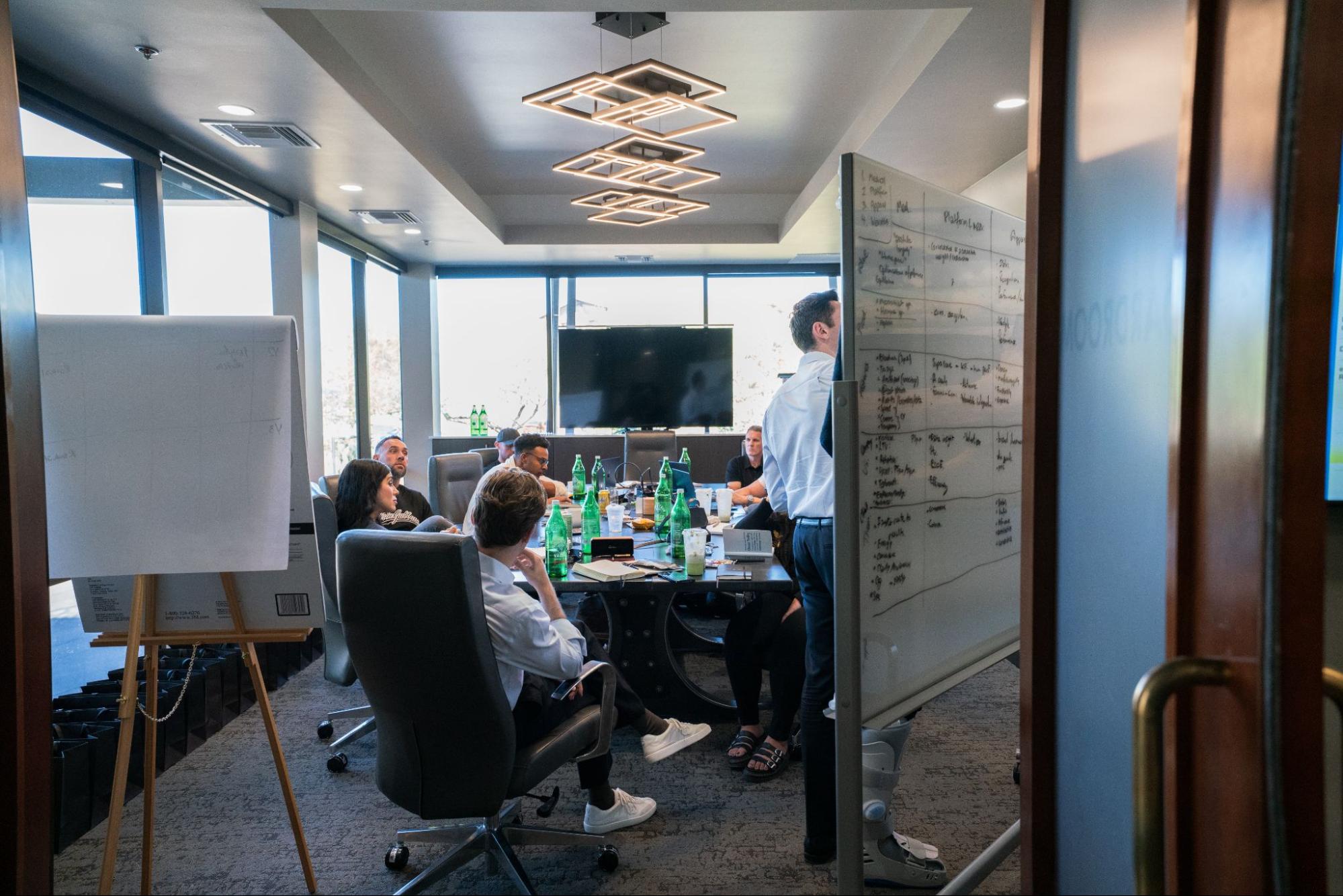
What personal rhythms and leadership habits keep you grounded and performing at a high level as CEO?
“On a company level, we have a weekly culture call that I believe is essential. It keeps everyone connected and focused on our mission. Staying mission-centric is how we maintain alignment, even as we grow.”
“Personally, one of the most important aspects of leading is maintaining a clear mind and high emotional intelligence. A calm nervous system is a powerful nervous system. You cannot make objective decisions if you are emotionally reactive.”
“On the micro level, my daily routine is simple. I train three days a week, I walk twelve thousand steps a day, I think, I write, I reflect, and I journal. Complexity doesn’t scale. Simplicity does. My job is to keep my body, mind, and business operating with precision, and that requires a routine grounded in clarity, consistency, and calm.”
“Complexity doesn’t scale. Simplicity does.”
How do you approach giving feedback and developing people without losing empathy or impact?
“I think a lot of people confuse kindness with avoidance. To me, being kind doesn’t mean being soft. It means being direct, being honest, and caring enough to tell the truth.”
“Not giving feedback is actually the opposite of caring. If you notice a behavior that needs to change and you say nothing, that’s neglect.”
“My job isn’t to make people comfortable. My job is to make them capable. And the most caring thing you can do for someone’s growth is to tell them the truth.”
“My job isn’t to make people comfortable. My job is to make them capable.”
What was a defining moment when you realized, ‘This culture works’?
“One of the things I love about our founder, John Madsen, who also happens to be my husband, is that he loves to have fun. He brings this outside-the-box energy to everything we do, and I admire that about him.”
“What I discovered is that the two can coexist. You can have a culture that’s vibrant and fun and still operate with integrity and precision. It’s not one or the other. It’s both.”
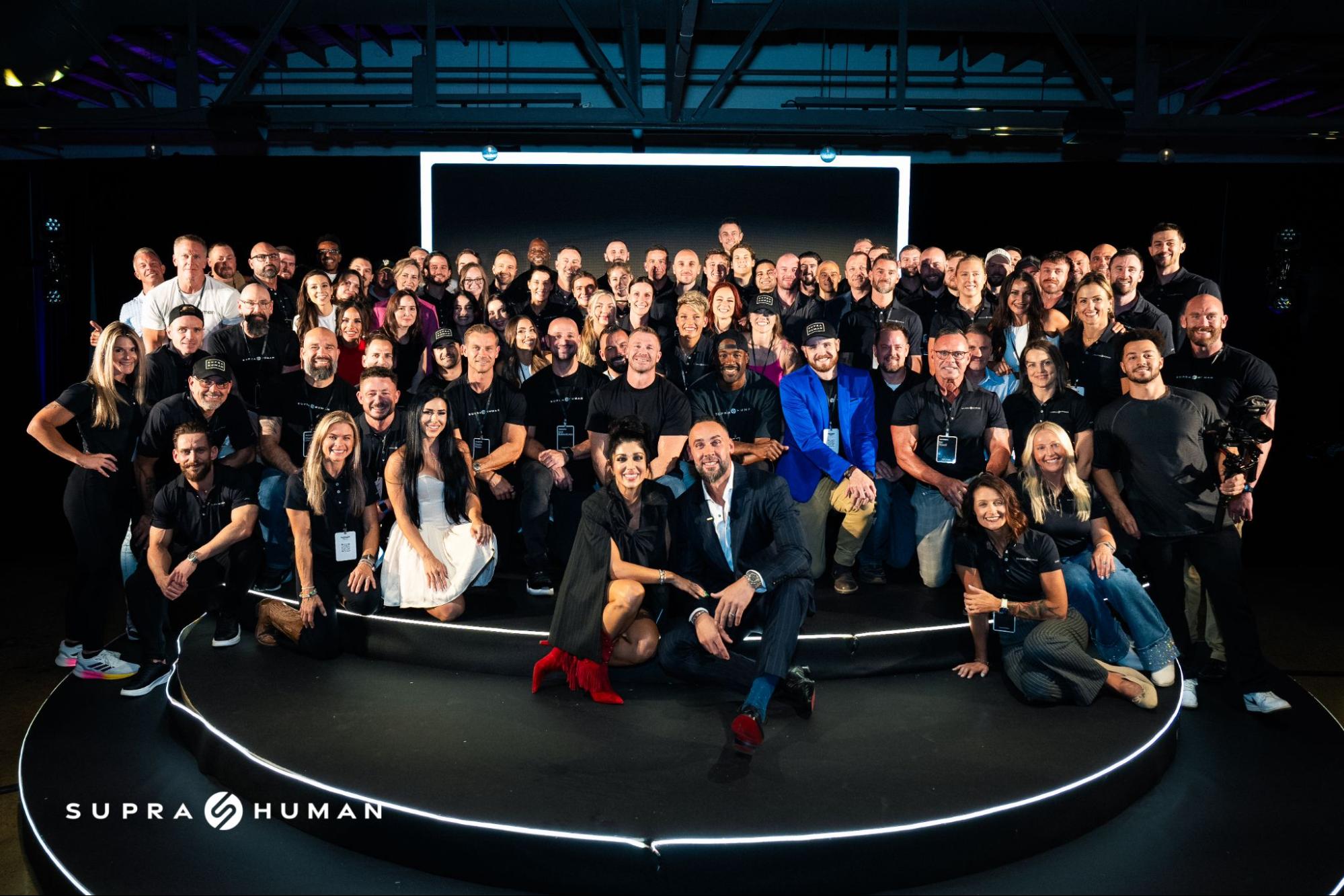
“Each Supra Human event is a culture-defining moment. This community, and the way that we bring them together, showcases our culture of fun, precision, and the pursuit of excellence.”
As the company scales, how do you protect its soul?
“John represents the soul of the company. He’s the founder and Chief Soul Officer, and I’m the Chief Heart Officer who also happens to be the CEO. My responsibility is to make sure the heart and soul stay connected as we scale.”
“You integrate the founder into everything. You codify that energy, the philosophy, the essence, so it becomes part of the system, not just the person. The goal is for the soul to eventually extend beyond one individual.”
“That’s the real work of leadership, translating soul into something scalable, something that outlives you.”
“My responsibility is to make sure the heart and soul stay connected as we scale.”
If another CEO asked how to replicate Supra Human’s culture, what would you tell them?
“You can’t. You can’t replicate Supra Human’s culture any more than you can replicate a person’s DNA. Culture isn’t a checklist. It’s the soul of the people who built it and the energy of the people who sustain it.”
“The reason Supra Human works is because it was built from the essence of who we are. Our culture isn’t a concept. It’s a mirror of our values, our work ethic, our standards, and our vision.”
“So no, you can’t replicate Supra Human’s culture. You can only build your own.”
Editor’s Note
At Supra Human, culture isn’t written on the walls, it’s built into the operating system. It’s in the clarity of communication, the pursuit of excellence, and the relentless balance between heart and soul. As Nineveh shared in this conversation, culture is not something you manage. It’s something you live, protect, and evolve.